Concrete Resurfacing in Missouri City, TX
A worn concrete surface does not always need a complete replacement. Resurfacing may be an option where the existing slab is sound and the main issue is its appearance or surface condition. Missouri City Concrete Co assesses the concrete before recommending a treatment.
We discuss what can be improved, what will remain visible and which defects need attention first. Call 346-598-2400 to ask about resurfacing for your Missouri City driveway or outdoor concrete.
What Concrete Resurfacing Can Achieve
Resurfacing adds a compatible new layer or treatment to existing concrete to renew its surface. It can change texture or appearance and address certain surface defects after preparation. It does not rebuild the foundation beneath the slab or guarantee that existing cracks will never return. Suitability must be assessed first.
Choosing the Treatment for the Existing Slab
We begin with whether resurfacing is appropriate, rather than assuming every driveway needs an overlay. The aim is to give you a realistic comparison of surface renewal, repair and replacement. We also discuss the finish, maintenance and the possibility that existing cracks or movement can affect the new surface.

Understand the Options Before You Resurface
You should understand the benefits and limits of resurfacing before investing in it. We explain what the selected treatment is intended to do, which existing defects require attention and what maintenance follows. That gives you a clearer basis for comparing it with repairs or replacement.
If your concrete is stable but looks worn, ask whether resurfacing is a reasonable option. Missouri City Concrete Co can discuss the existing condition, finish choices and preparation involved. Call 346-598-2400 to arrange the next step for your property.
Is Your Concrete Suitable for Resurfacing?
Resurfacing is primarily a surface treatment. It may suit weathered or unattractive concrete that remains stable, but it is not a substitute for resolving major settlement or movement. We consider the symptoms below alongside the overall condition before recommending an overlay or another approach.
Worn Surface Texture
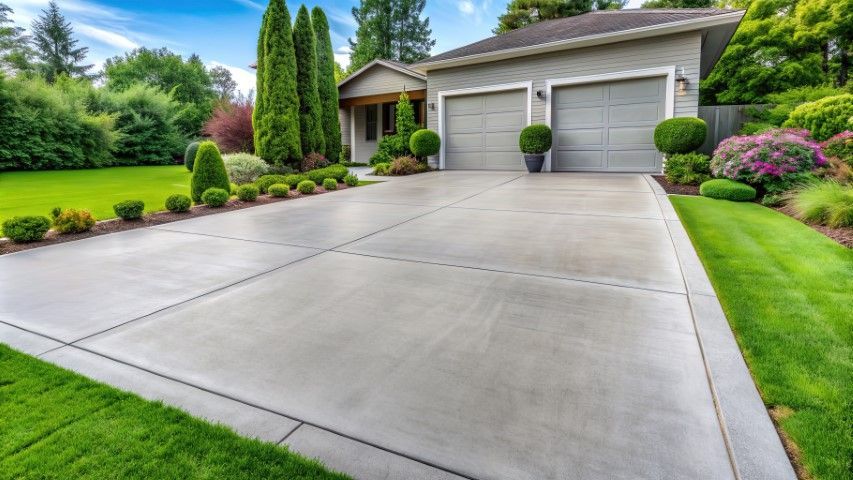
A surface that has become rough or lightly worn may be a candidate for renewal. The depth and extent of the wear matter, along with the condition below it. We assess whether preparation and a compatible treatment can address the problem without replacing the entire slab.
Localized Surface Damage
Small areas of surface damage may need patching before a resurfacing system is considered. Deep deterioration, loose concrete and repeated failures need a closer look. The goal is a suitable substrate for the new material, rather than hiding damaged areas beneath a fresh finish.
A Stable Slab with Cosmetic Wear
Resurfacing is most promising when the slab remains stable and the concern is mainly visual or superficial. Raised sections and ongoing movement need a different assessment. We explain whether the surface is a practical candidate and what preparation is necessary before applying a new layer.
Fading or an Inconsistent Appearance
Discoloration or a tired finish can change the look of an otherwise usable driveway or patio. A surface treatment may improve consistency, but stains and old coatings can affect the preparation and final appearance. We discuss those factors and the realistic finish options before work is agreed.
How We Approach Surface Renewal
Surface renewal follows the requirements of the selected material and the condition of the slab. The process begins with checking suitability, then preparing the concrete so the treatment can bond properly. The following stages outline the main decisions and work involved.
Assess the Existing Concrete
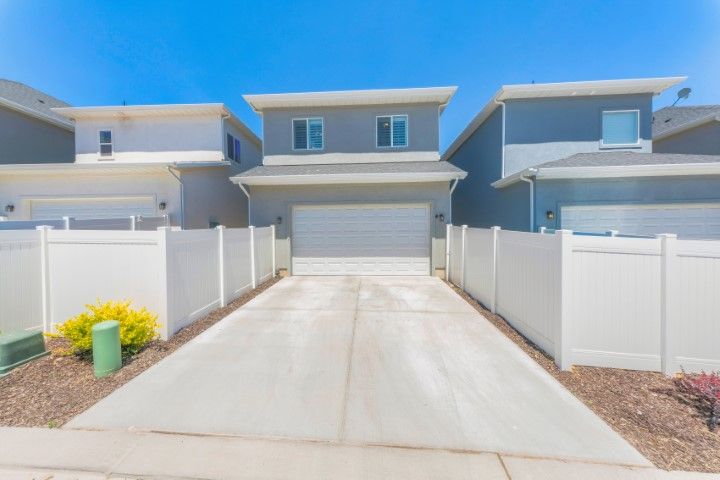
We review surface wear, cracking, previous coatings and any changes in slab level. Moisture exposure, drainage and intended traffic also affect suitability. If the slab has significant underlying problems, we explain why repair or replacement may need to come before a decorative or protective treatment.
Clean and Prepare the Surface
Preparation removes contamination and material that would interfere with bonding. Depending on the surface and system, this can involve cleaning, removing unsuitable coatings and preparing localized defects. The concrete must meet the product requirements before the new layer is applied. Skipping this work can compromise the result.
Apply the Selected System
The chosen resurfacing material is applied according to its specification and the agreed finish. Working conditions, coverage and texture need to match the product and the surface's intended use. We discuss the appearance you can expect, including how existing joints and repaired areas may be treated.
Protect the Finish and Plan Aftercare
The new surface needs protection while it cures. Any sealer must suit the resurfacing system and be applied at the appropriate stage. We explain when the area can be used and how to clean and maintain it. Future upkeep depends on traffic, exposure and the chosen finish.
Resurfacing works best when the existing slab is a suitable foundation for the new finish. Assessment, preparation and a compatible system matter more than simply covering visible wear. We explain the recommended work and the limitations before you decide how to proceed.